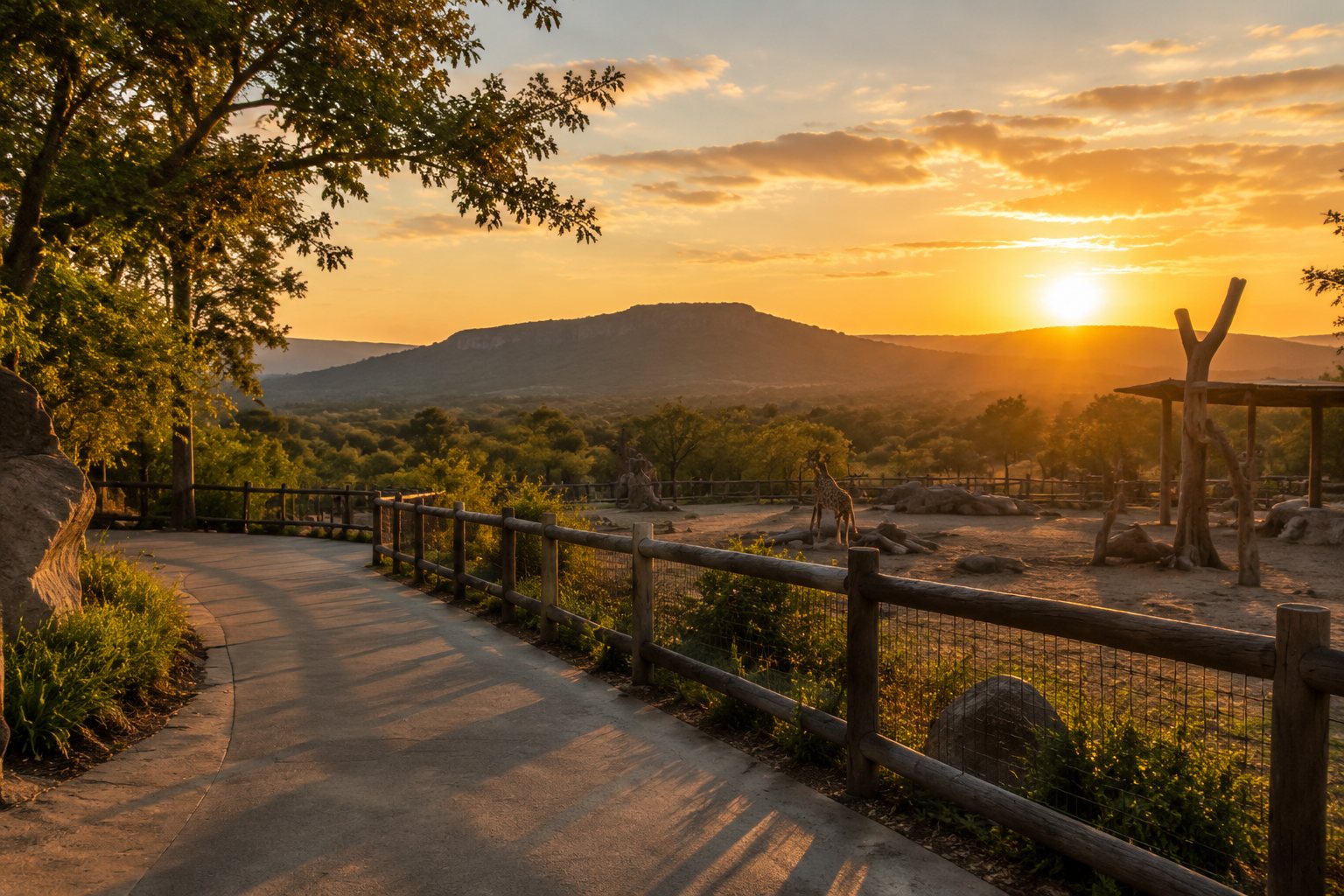
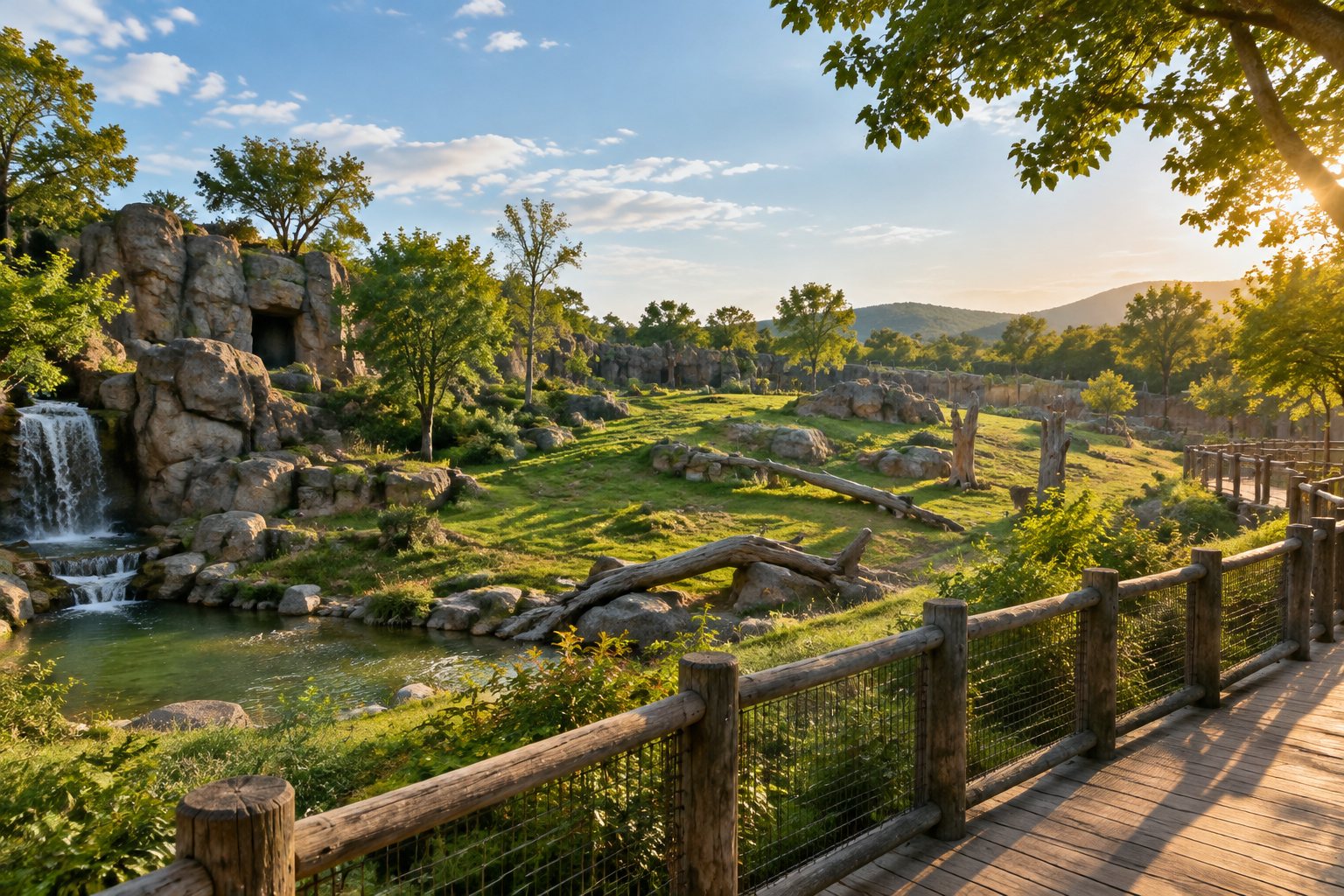
Wide naturalistic savanna-style exhibit with rock outcrops and a wooden viewing boardwalk in golden light

Independent visitor guide

Toronto Zoo: a practical guide for visitors

Routes, seasons, transit, accessibility and quieter corners of one of Canada's largest outdoor zoos, written for planning a visit in Scarborough, Toronto.

Read the guide
  • 10 articles
  • About 5 min read each
  • Updated

From the editor

Plan a calmer, better-paced day

The Toronto Zoo covers a large site in Scarborough, and most visitors underestimate how much walking a full visit involves. This guide is written to help you choose a realistic route, pick the right season and arrive prepared, whether you are visiting for the first time or returning with a specific interest.

Every article is based on general visitor patterns and practical planning. Facts that change, such as hours, programmes and fees, are kept out of the text on purpose. Always confirm current details with the operator before you travel.

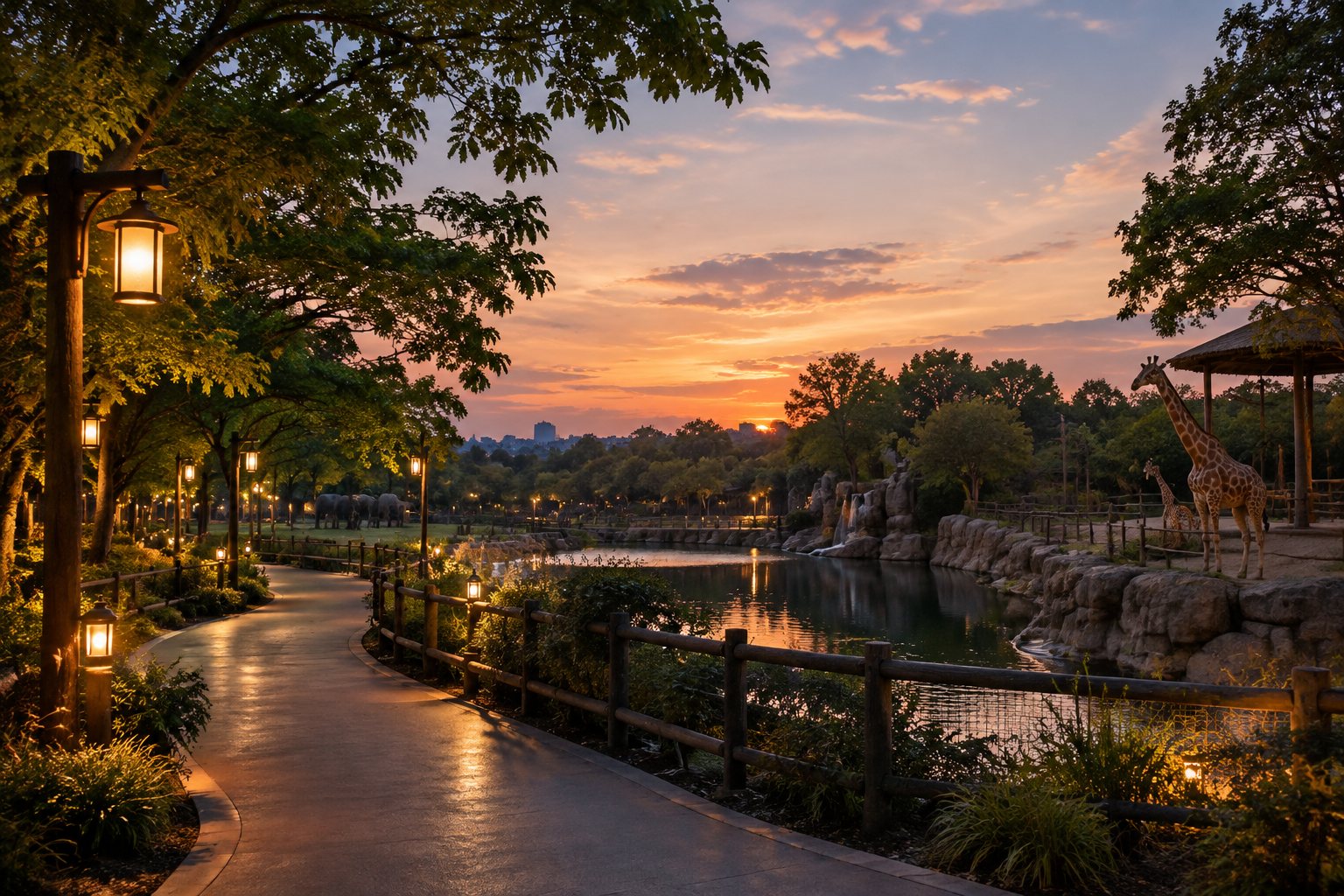
Sweeping zoo grounds view at dusk with a tree-lined path and calm evening light
Largeoutdoor site in Scarborough
4 to 5 htypical relaxed visit
4seasons covered in this guide
10planning articles

Articles

Planning articles for every kind of visit

Open a card to read the full article. Each one covers a specific part of planning or the visit itself.

Wide hillside exhibit with rock outcrops and a wooden viewing boardwalk in soft golden light First visit

Planning your first day at the Toronto Zoo

A practical starting point for a first visit: how much time to allow, when the grounds are quietest, and how to set a realistic route.

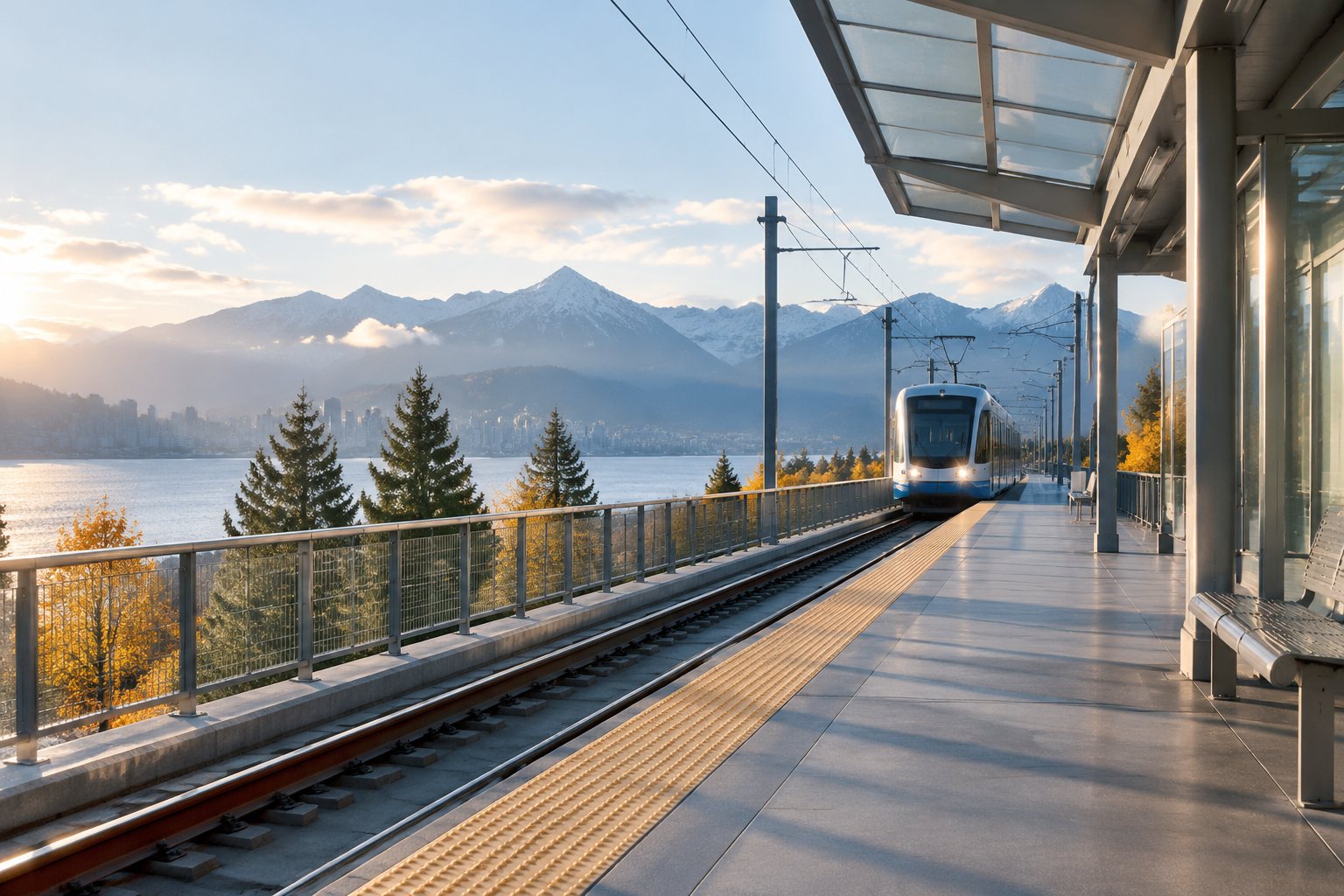
Quiet light-rail platform with a train approaching in the distance under soft morning light Getting there

Getting to the zoo by transit and by car

How visitors from downtown and the wider Greater Toronto Area usually reach the grounds, with notes on transit transfers and parking.

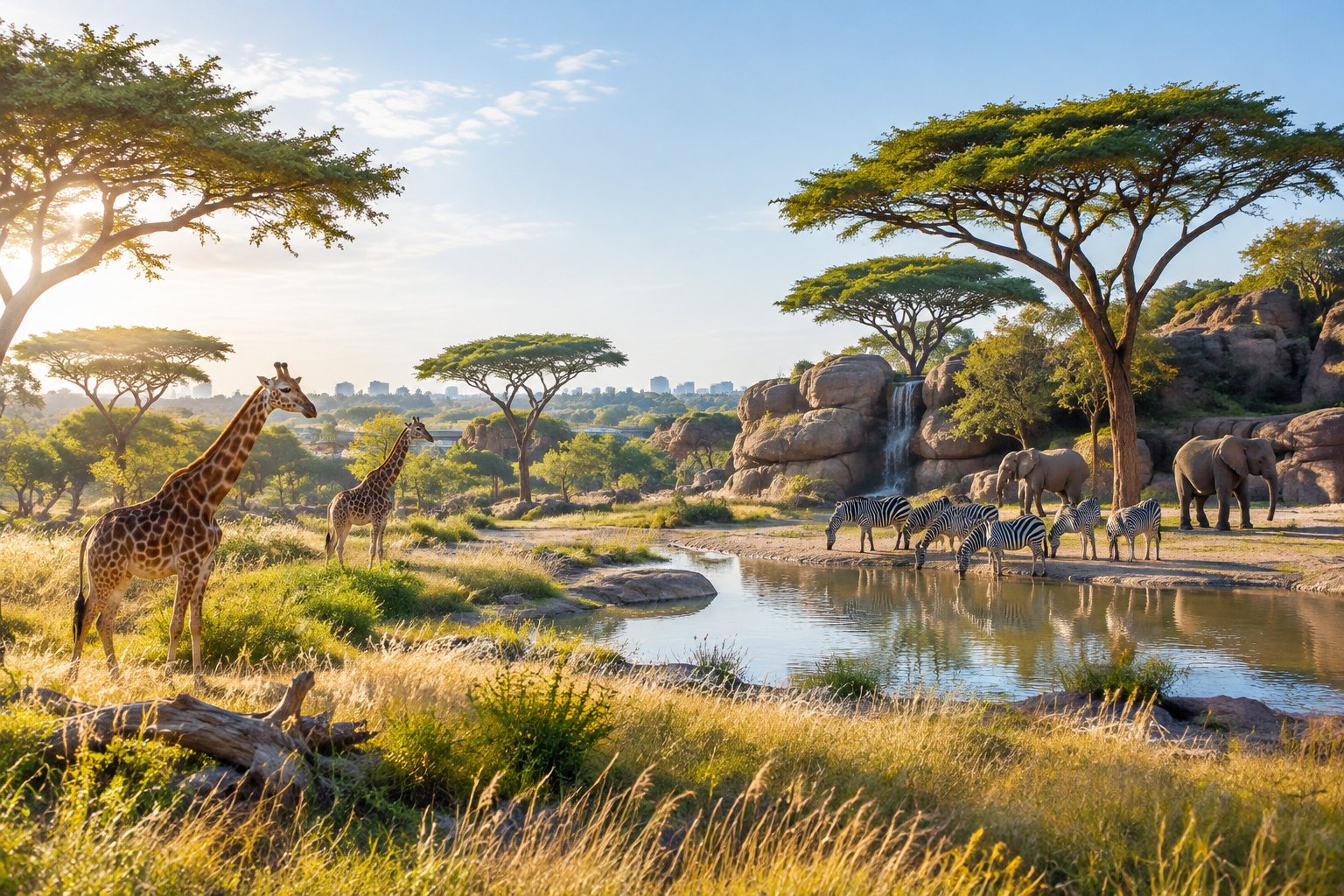
Sunlit African savanna style exhibit with acacia-style trees and golden grass Exhibits

The savanna and Africa-style zones: what to look for

Open grassland exhibits reward patience. Learn where to pause, what to watch for at midday, and how to use the landscape for photos.

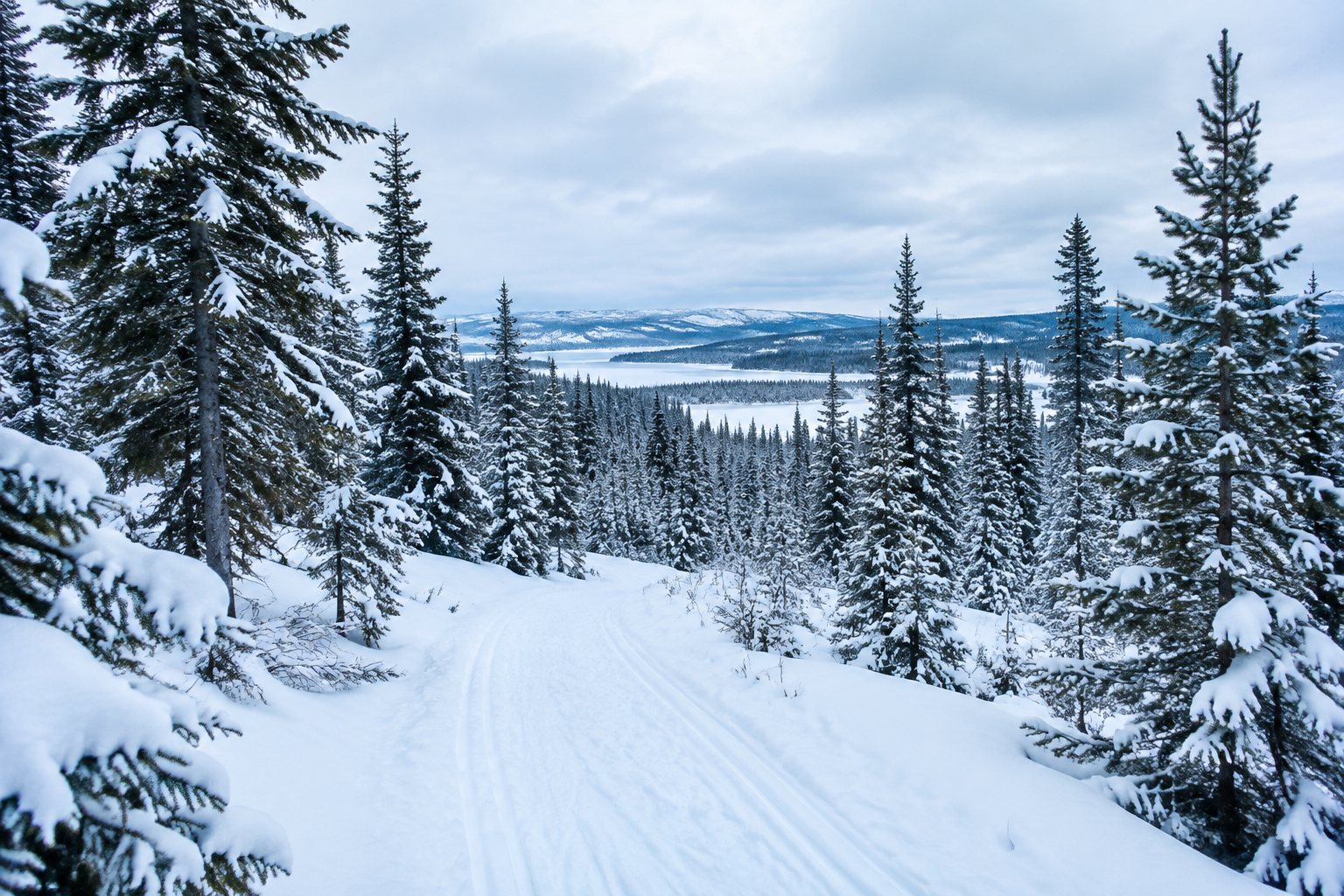
Snow-covered evergreen forest and pine trail under soft overcast light Seasons

Visiting in winter: snow, boreal forest and cold-weather animals

Winter can be one of the quietest times to visit. Here is how to dress, what stays open, and where the boreal landscape shines.

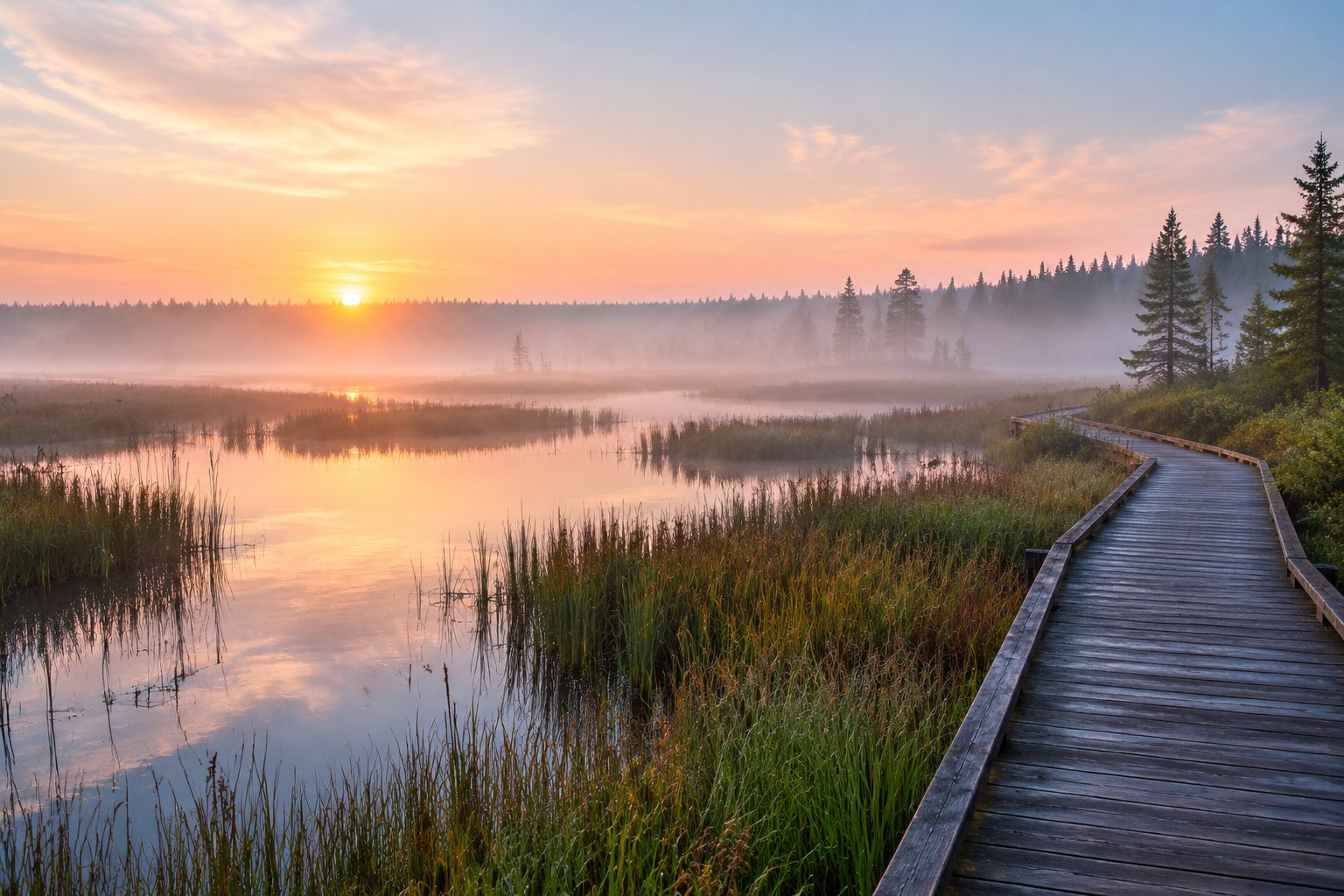
Misty wetland at dawn with reeds, still water and a wooden boardwalk Nature

Wetlands, marshes and the quieter corners of the grounds

Beyond the big-name exhibits, marsh and wetland areas offer birdsong, reflections and a slower pace for observant visitors.

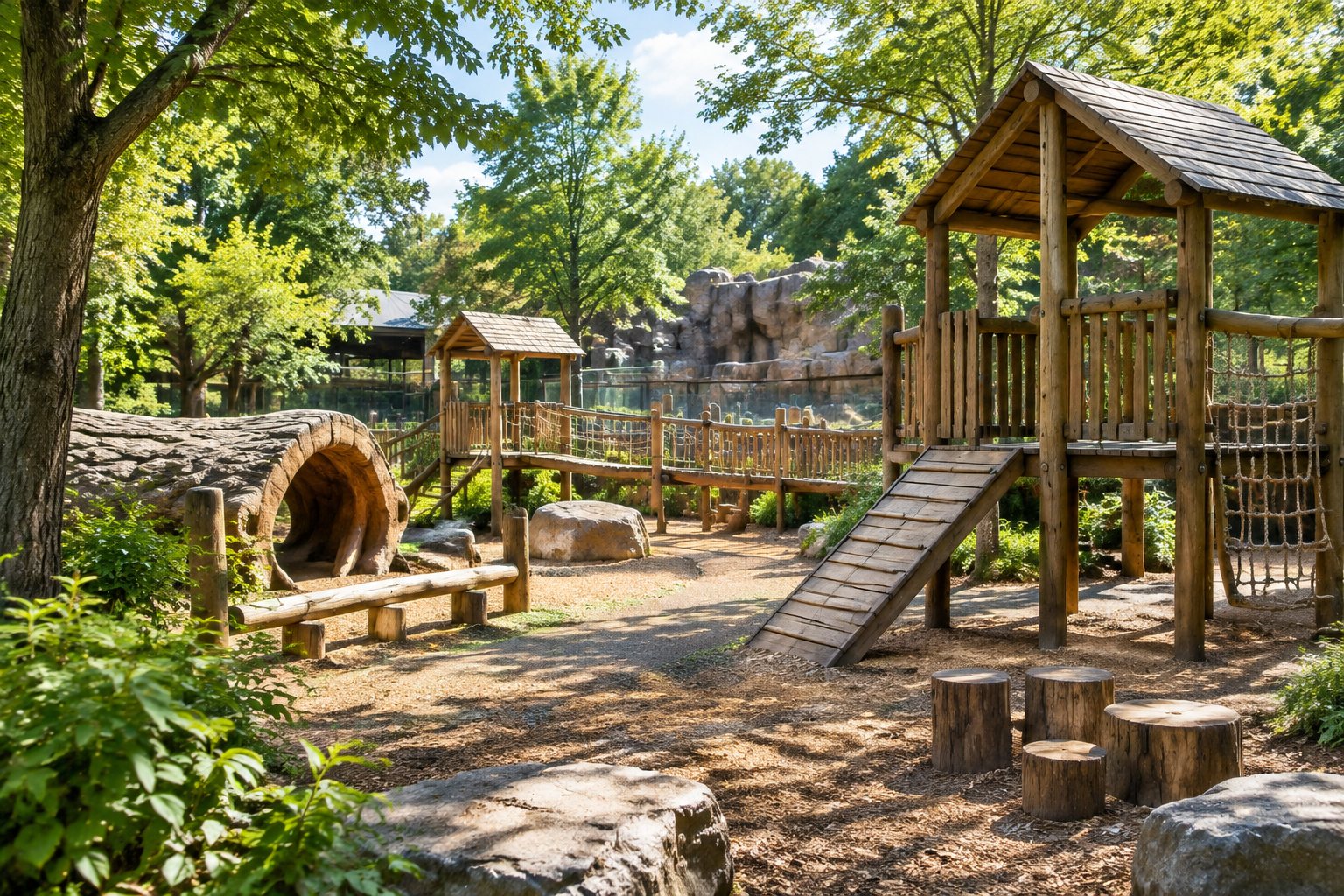
Shaded wooden play structures among trees in a bright outdoor zoo play area Families

Families with children: play areas, strollers and breaks

Keeping children engaged across a large site takes planning. Use shaded play areas, short loops and regular snack breaks to keep the day enjoyable.

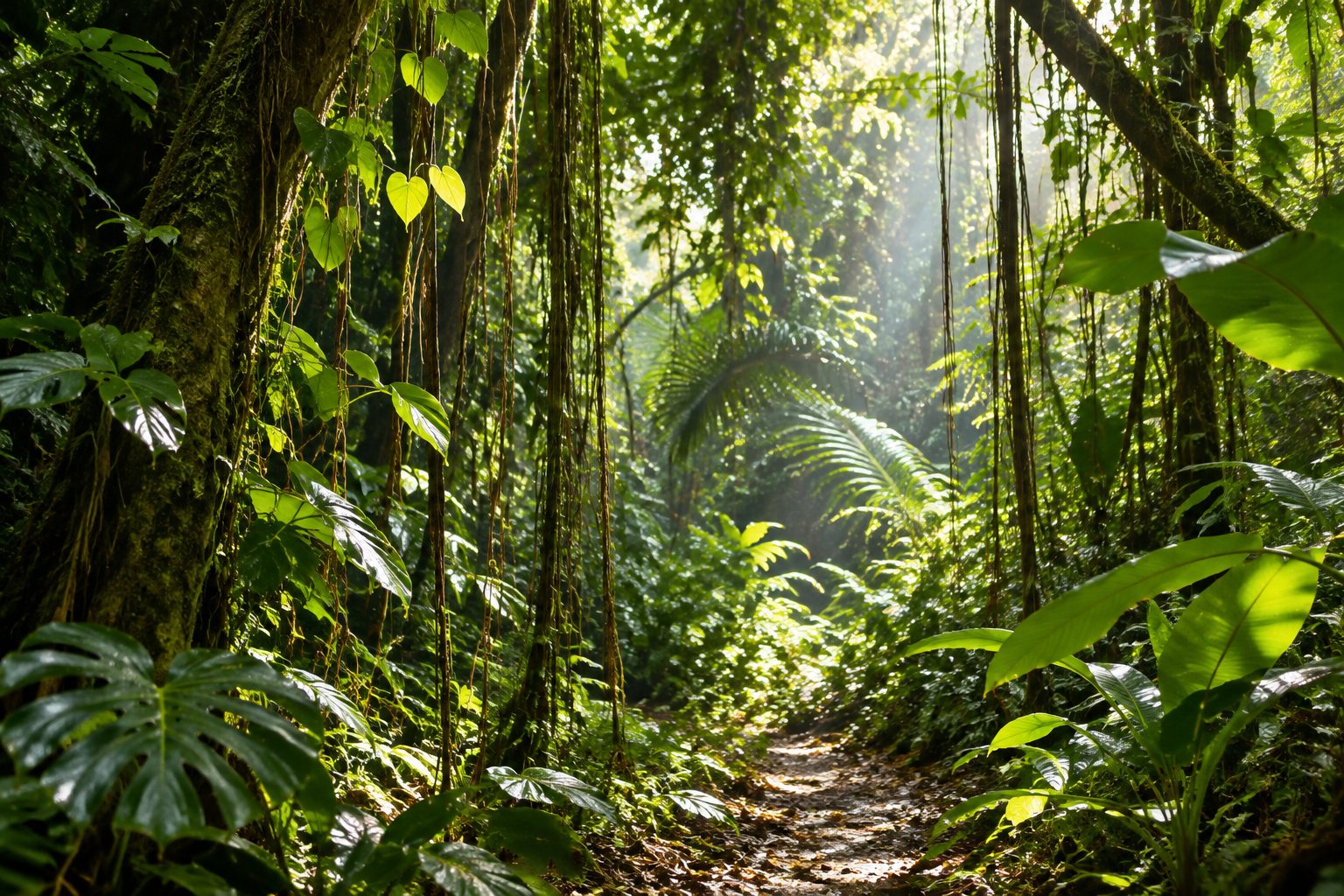
Sunlit tropical rainforest canopy with hanging vines and a dappled walking path Indoor

Warm pavilions and indoor breaks when the weather turns

Indoor and tropical-style spaces offer shelter from rain, heat and cold. Learn how they fit into a sensible day plan.

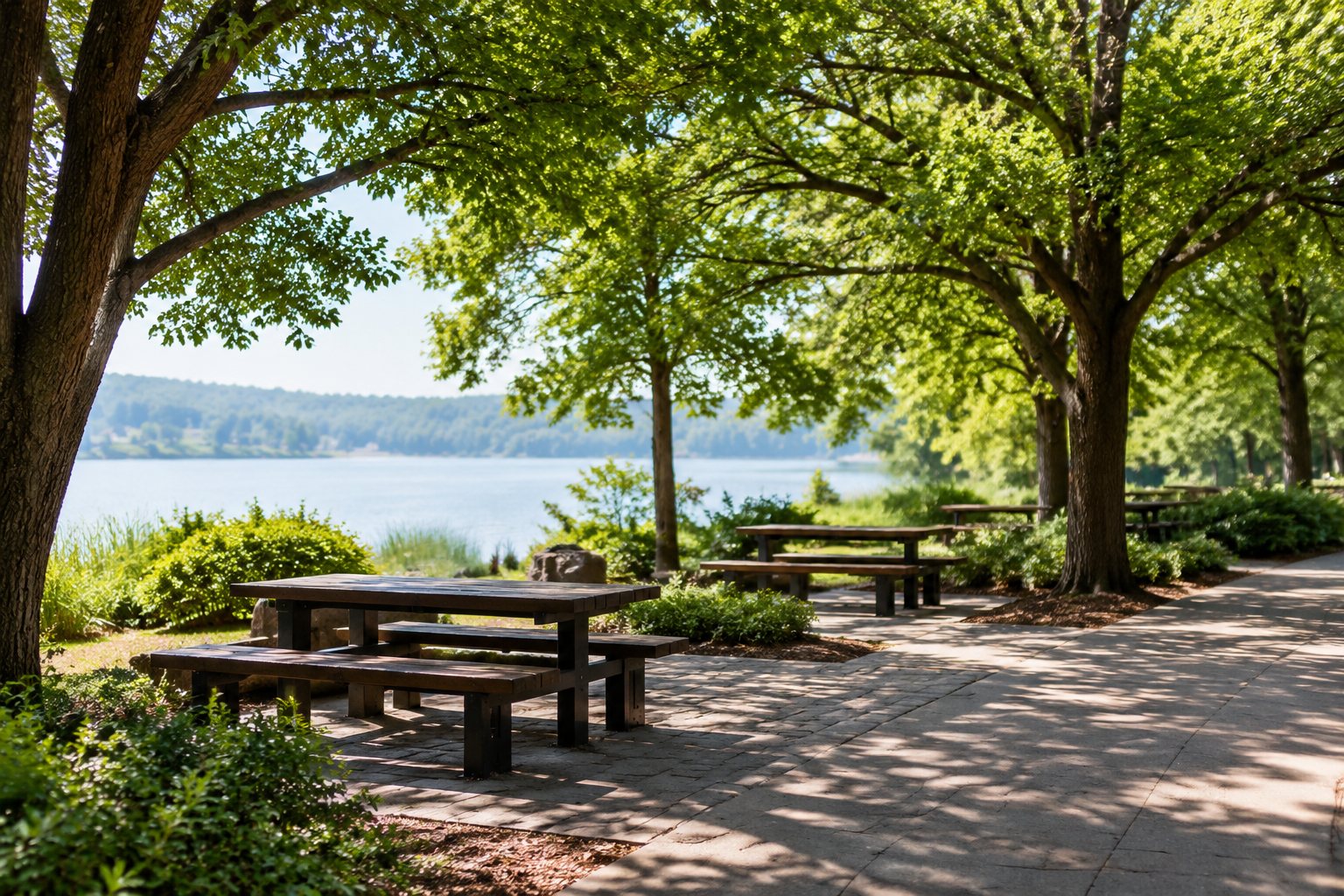
Shaded picnic area under mature trees with benches beside a paved walkway Food and rest

Picnics, cafes and where to rest on the grounds

Food options at a large site are easy to plan once you know where shade and seating are. Here is how to eat well without wasting time.

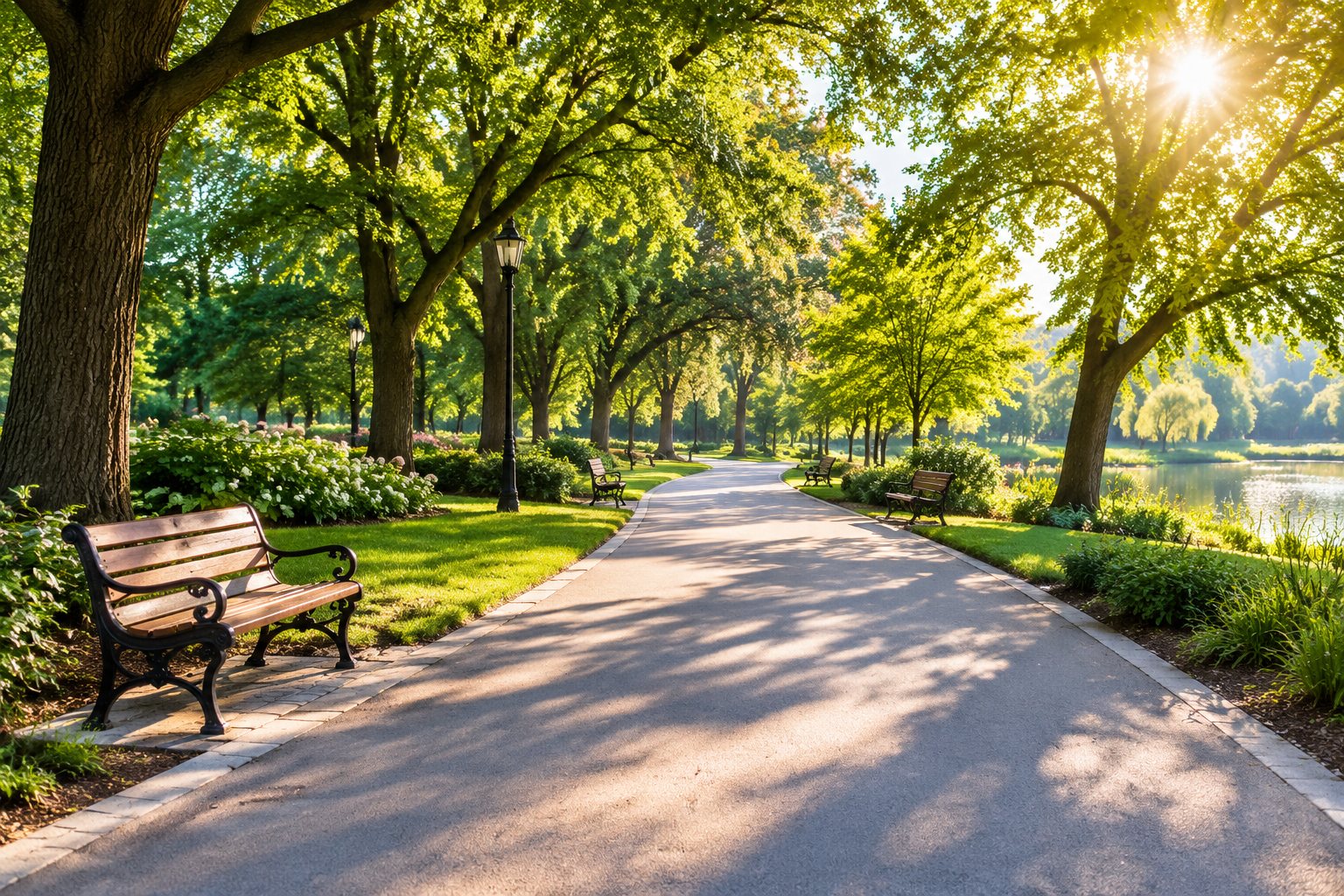
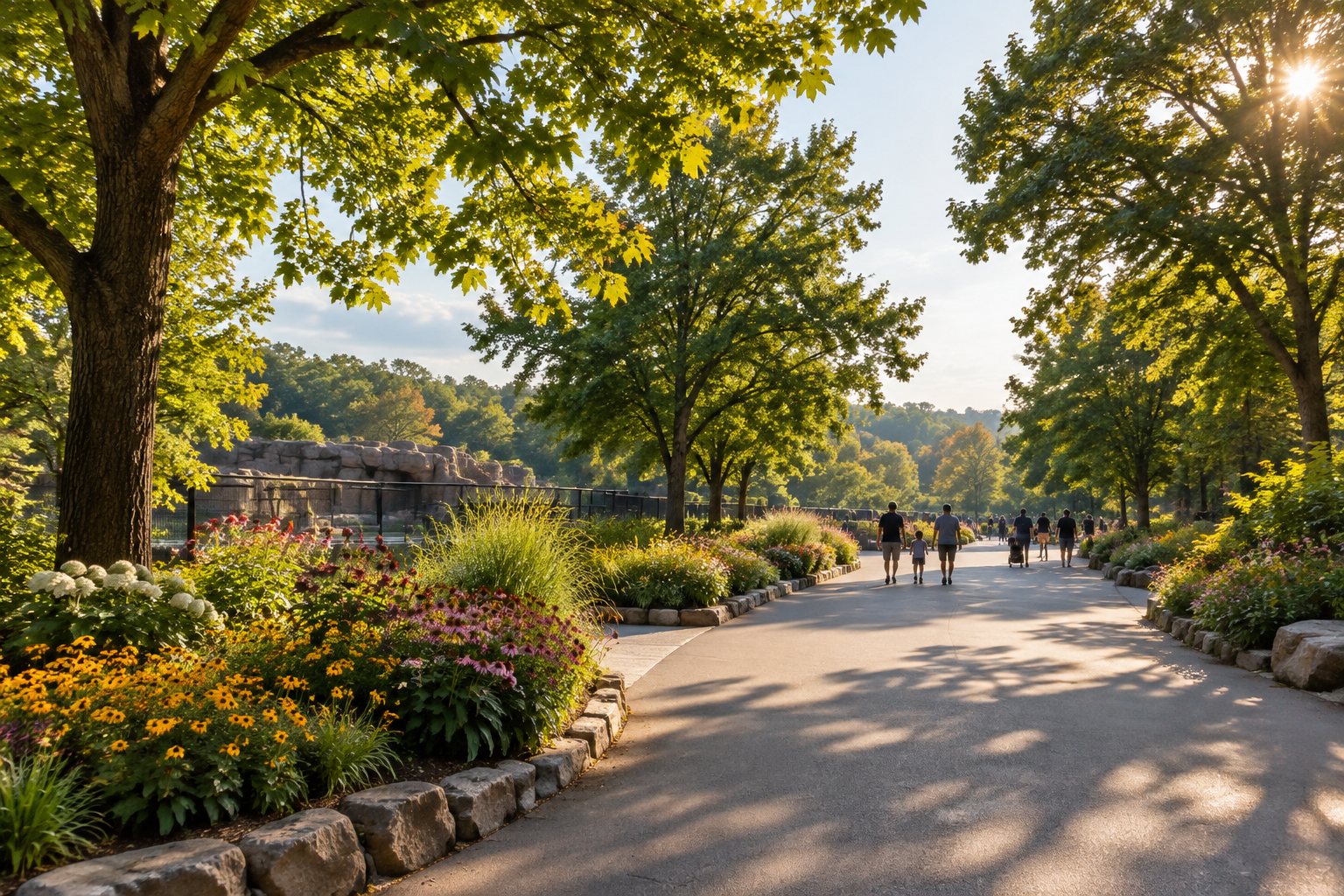
Wide smooth paved path through a park with benches and sunlight through trees Accessibility

Accessibility: paths, rest stops and quiet areas

A large outdoor site rewards planning for visitors with mobility, sensory or stamina needs. Here are the questions to answer before you go.

Wide tree-lined path at dusk with lanterns and calm evening light Evenings

Seasonal events, evening visits and the long summer light

Some visitors prefer the calmer atmosphere of late afternoon. Here is what to consider when planning around events and dusk.

Visitor tips

Six habits that make the day easier

Arrive early

Calmer paths, cooler temperatures and better early-day activity from many animals.

Pick two zones

Choose the areas you most want to see and build the route around them.

Dress in layers

Toronto weather shifts quickly, so a light layer and waterproof outer layer help.

Carry water

Refill when you can and plan rest breaks in shaded spaces.

Check the schedule

Feeding times, talks and hours change seasonally, so check the operator's current notices.

Plan your transit

Confirm connections and walking time from the stop to the entrance before you leave.

Seasonal guide

What each season is like to visit

Spring

Mar to May

Melt, budding trees and busy weekends. Expect muddy patches on some trails.

Summer

Jun to Aug

Long days and the busiest weeks. Start early and plan shade breaks.

Autumn

Sep to Nov

Crisp air, changing leaves and fewer crowds on weekdays.

Winter

Dec to Feb

Quiet paths and snow-covered landscapes. Dress warmly and check access notices.

Free visitor guide

Get a one-page planning checklist

  • A printable checklist for a first or repeat visit
  • Seasonal planning notes, updated when we revise the guide
  • No sales offers and no third-party advertising

We do not send your details anywhere from this page yet. Submission is handled locally in this browser.

FAQ

Common questions